


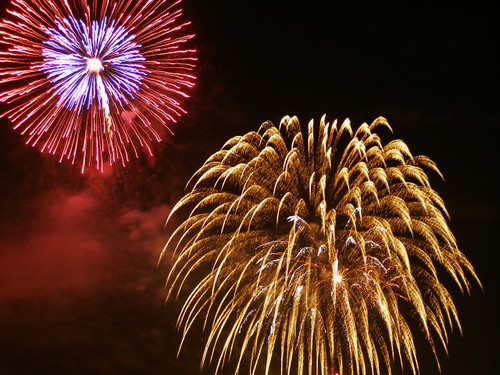
It’s only been a couple of days since we celebrated Halloween, but it’s time to don those woolly gloves, scarves, hats and possibly a waterproof coat for another cold, crisp and entertaining winter evening. Tonight is Bonfire Night, an annual event which is designed to celebrate the failed Gunpowder Plot by Guy Fawkes that was intended to destroy the House of Lords and in turn assassinate King James I.
While the date is still celebrated across the country, many of the extravagant firework displays laid on by local councils and societies are primarily used as an effective way of generating some much needed income, rather than celebrating the failed Gunpowder Plot. Most of these social gatherings tend to build a strong community spirit whilst giving children and adults alike hours of fun with carnival rides, pop-up shops, live music as well as the traditional firework displays.
The History of Bonfire Night?
The origin of Bonfire Night began on the 5th November 1605 when the Gunpowder Plot was thwarted by the arrest of Guy Fawkes. Guy Fawkes was one of the 13 conspirators who planned to destroy the House of Lords and subsequently assassinate King James I. To celebrate the failed assassination attempt many people across London lit bonfires. A few months later the date became a public day of thanksgiving with the introduction of the Observance of 5th November Act, also known as the Thanksgiving Act.
In the years that followed, Bonfire Night became an annual celebration on the British calendar, like events such as Halloween, Christmas and Easter although today it’s not as substantial as the latter two. Unfortunately it also became synonymous with religious violence and hate crimes especially anti-Catholic sentiment, although this violence thankfully subsided as the decades past and the traditional celebrations we know today began to flourish.
How we celebrate Bonfire Night today
Today Bonfire Night is widely recognised with social firework displays and bonfires. These social gatherings can also include carnival events and other social activities. Bonfire Night’s close proximity to Halloween means many events can overlap, an issue that some avid historians feel will threaten Bonfire Night’s continued observance.
While social gatherings are popular, many people choose to host their own firework displays with family members and friends as a more low-key intimate celebration. Others choose to light bonfires and burn effigies of Guy Fawkes which was a traditional celebration in the 17th century. However you celebrate the important aspect to remember is that fireworks and bonfires have an element of danger due to their use of explosives and fire. Remember to operate fireworks in open areas and if necessary obtain professional help.
We’d love to hear how you’re planning to celebrate Bonfire Night. If you’re a carer or care home owner planning on holding an event, please get in touch and share your experience. Maybe you’re arranging to take your residents out for the evening to a local event? However you’re celebrating, remember to take care and stay safe. If you're taking a camera along, we’d love to see your firework and bonfire pictures; you can send them to us on Facebook, Twitter or Google+.
Comments Post a comment
Dear Ostrich, if you really really care you would by now have found a way to realise that a Blog needs to be checked and monitored by the Blog owner.
If an ostrich can't be bothered to reply to comments, does this ostrich really really care?
Post a comment
Please sign in to leave comments.